
Hidden ADHD Symptoms in Women
Pardon my French, but you know what really pisses me off?
1. How many women don't get diagnosed until later in life (if at all). And…
2. How many women have to go through the confusing, painful process of misdiagnosis before they finally find out they have ADHD.
I had to go through this process and most of the women who come to me for help, have gone through it too.
Why does this happen? Well, medical studies of women have historically been neglected.
Doctors (including many psychiatrists) who go through years and years of studying often don't know that ADHD looks different in women or they know the text book explanation but not what it actually LOOKS like in real life.
Though I've seen improvement over the past decade, ADHD women are still being overlooked. Our symptoms are hidden in plain sight.
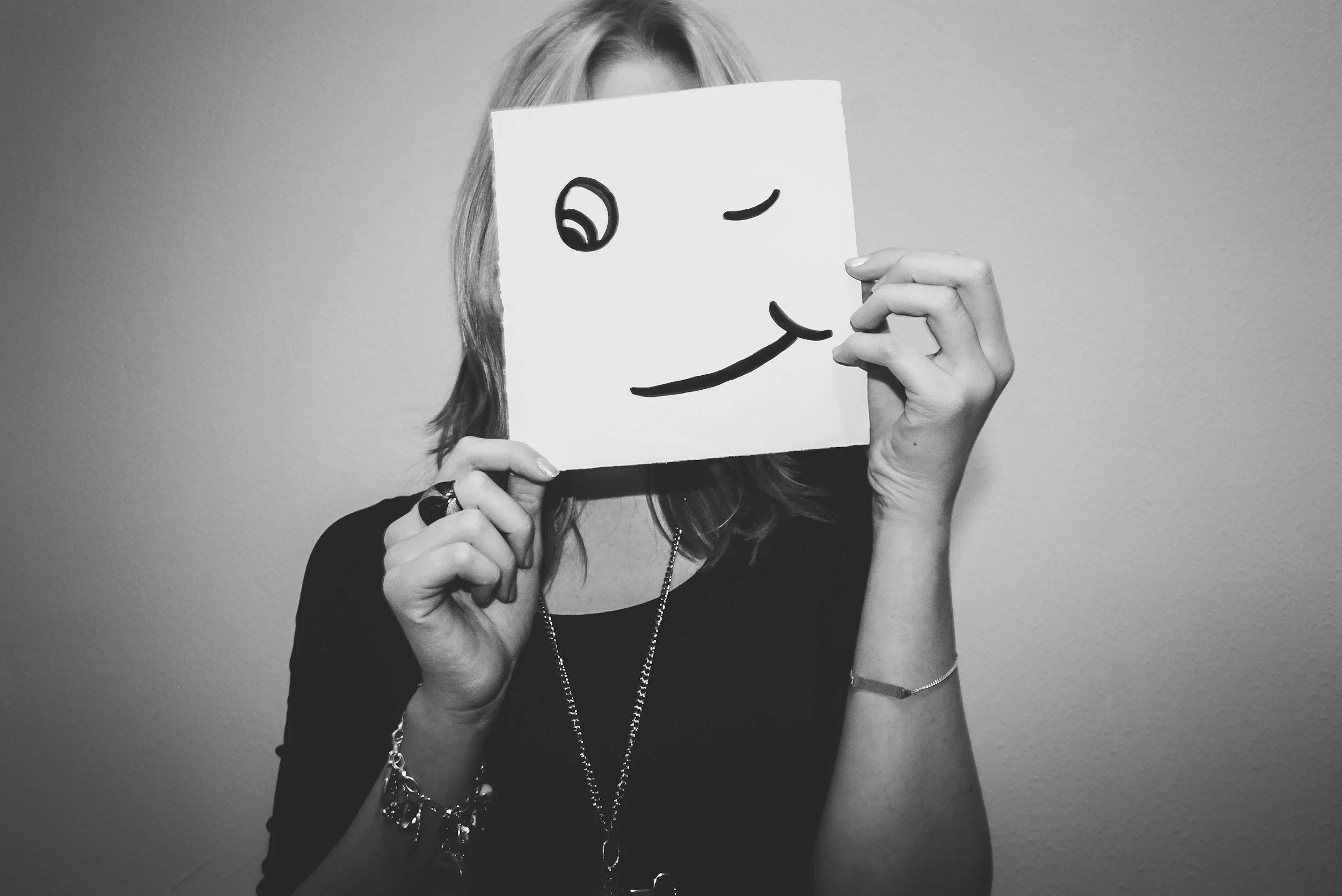
One of the reasons we fly under the radar is because we've been forced to get really good at masking and over compensating to seem “normal” and “successful”. Quite the catch 22.
One of the best things you can do as a woman with ADHD is to learn what ADHD looks like for you and what symptoms you experience.
After all, how do you work with or take control of something you don't understand?
So, Let's take a look at some of the most commonly overlooked signs of ADHD in women (How many do you relate to?).
A Mind That Never Fully Shuts Off
Many women experience ADHD as internal restlessness rather than physical hyperactivity.
Your brain may feel like it’s constantly running:
racing thoughts at night
difficulty relaxing
needing constant stimulation
listening to podcasts while scrolling or playing a game just to stay engaged
Even rest can feel mentally noisy.
Exhausting “Masking”
Many women become experts at hiding their struggles.
You may rely on:
hyper-detailed planners
endless reminders
overpreparing
people pleasing
hiding the mess behind doors
mentally rehearsing conversations so you don’t lose track
From the outside, it can appear like you’re managing fine.
Inside, it can feel absolutely exhausting.
Emotional Sensitivity
ADHD affects emotional regulation too.
This can show up as:
feeling criticism deeply
becoming easily overwhelmed emotionally
shutting down after perceived rejection (Rejection Sensitivity Dysphoria RSD)
crying or raising your voice when frustrated or angry because your nervous system is overloaded
Many women blame themselves for being “too sensitive” without realizing ADHD may be playing a role.
Time Blindness
This is more than simply running late.
ADHD can make time feel slippery and hard to track.
You may:
underestimate how long things will take
get distracted constantly
lose hours in hyperfocus
struggle transitioning between tasks
Chronic Disorganization
You may have one drawer, rooms, or corners of your house that feel permanently chaotic.
Or maybe you:
lose your keys constantly
struggle to keep your car or desk clean
misplace your phone daily
put things in strange places without realizing it
feel overwhelmed trying to maintain systems
This isn’t laziness. It’s often executive dysfunction (a dysfunction of the management system of your brain).
Starting Everything… Finishing Almost Nothing
ADHD brains love novelty and stimulation.
You may start projects, hobbies, courses, or organizing sprees with huge enthusiasm… only to lose momentum once the task becomes repetitive or boring.
That unfinished pile isn’t a character flaw.
Symptoms That Get Worse During Hormonal Changes
Many women notice ADHD symptoms intensify:
before their period
during pregnancy
in perimenopause or menopause
This happens because shifting estrogen levels can impact dopamine regulation in the brain. Many ADHD women experience PMDD (premenstrual dysphoric disorder) too, which is like PMS on steroids. Yikes.
For many women, midlife is when ADHD suddenly becomes impossible to ignore (Hello brain fog!).
If you see yourself in these signs, you are not alone. And you are not failing at life. You may simply have an ADHD nervous system that has spent years trying to function without the right support.
Understanding what’s actually happening can be the beginning of so much self-compassion — and relief.
I hope that this blog post has helped you learn about yourself so that you can feel more empowered in taking the next step that's right for you.
This may simply be continuing to read posts like this, a youtube video about dopamine, a podcast episode about ADHD, a conversation with a friend, making an appt. with a psychiatrist to talk about meds, journaling, etc.
You're on your own journey and your own timeline but I will tell you this…
Relief, taking control of your life, less struggle, and more happiness doesn't come from a new planner or organization plan. Real lasting change starts from within.
It starts with unlearning rules that don't work for you, managing your mind, creating new beliefs, regulating your nervous system, and truly understanding the ins and outs of your neurobiological disorder.
That can feel like a lot, but you don't have to do it alone. I offer free mini sessions to help you figure out what the next right steps are for you.
It's not a sales call. It's my hand outstretched to you saying, “I get how hard this is, I can help.”
But I can't make you take that step, you have to find it within yourself to be brave and put a little trust in me.
You can book your free mini session HERE. I promise you won't regret it. We'll go over what you've been struggling with, isolate what to focus on now, and you'll leave with three simple, effective, steps that you can implement now to improve your life.
With compassion,
Jody
P.S. Sometimes the most powerful moment is realizing: “Oh… this explains so much."